


.png)
Home

Balcony WPC Decking

LVSENWOOD is a comprehensive enterprise integrating product design, development, production and sales, specializing in the production and supply of premium Balcony WPC Decking products. With 20 advanced WPC production lines, we produce 1,200,000 square meters of balcony WPC decking annually. Our balcony WPC decking products are exported to more than 40 countries including the United States, Britain, Australia, Germany, Canada and Japan, providing customized balcony WPC decking solutions for local interior designers, property developers, apartment contractors, and homeowners seeking lightweight, beautiful, and low-maintenance balcony flooring solutions!
Rich Experience in Balcony WPC Decking
LVSENWOOD is a comprehensive enterprise integrating product design, development, production and sales, specializing in high-quality balcony WPC decking for residential apartments, townhouses, commercial terraces, and elevated outdoor living spaces, backed by 15 years of professional expertise in the WPC composite industry.
Reliable Balcony WPC Decking Quality
Most of our balcony WPC decking products have obtained CE, SGS, ASTM, ISO certificates, and other international quality approvals. Our company holds ISO9001 quality management system and ISO14001 environmental management system certifications, guaranteeing the lightweight structural performance, weatherproof durability, slip resistance, and long-term aesthetic integrity of every balcony WPC decking board.
Wide Market for Balcony WPC Decking
Our balcony WPC decking products are exported to more than 40 countries such as the United States, Britain, Australia, Saudi Arabia, Spain and Russia. We collaborate with property developers, interior designers, and building contractors to deliver high-quality customized balcony WPC decking solutions for private residential balconies, apartment terraces, rooftop decks, commercial building balconies, and hotel room terrace spaces.
Advanced Equipment for Balcony WPC Decking
LVSENWOOD, a professional balcony WPC decking factory, is equipped with full-automatic WPC extrusion lines, precision CNC cutting machines, surface embossing machines, anti-slip testing equipment, weather resistance testing chambers, and structural load-bearing test rigs calibrated for elevated balcony installation requirements. We offer UV-resistant coating application, color customization, drainage groove processing, lightweight board profile engineering, installation accessory production, and comprehensive load-bearing and slip resistance testing for all balcony WPC decking products.
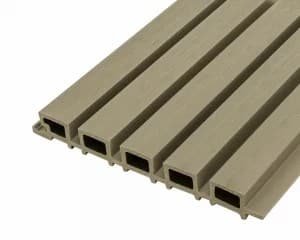
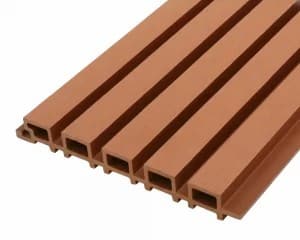
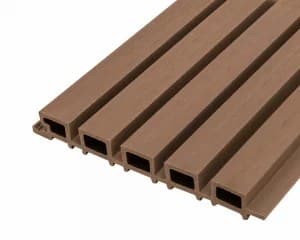
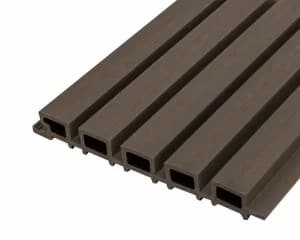
Balcony WPC Decking is a specialist high-performance composite flooring material engineered from a blend of wood fibers and recycled plastic, designed specifically for balcony environments including apartment terraces, rooftop decks, elevated outdoor living spaces, and commercial building balconies where lightweight structural performance, weather resistance, slip resistance, and design versatility in confined elevated spaces are all critical requirements. LVSENWOOD's balcony WPC decking combines the warm natural aesthetics of timber with the outstanding weatherproof durability and minimal maintenance of composite materials, delivering reliable slip resistance, full resistance to rain, wind-driven moisture, UV degradation, and the thermal cycling characteristic of exposed elevated balcony environments. As a safer, more attractive, and far lower-maintenance alternative to traditional balcony flooring materials such as ceramic tiles, concrete screed, or timber decking, it requires no sealing, painting, or chemical treatment — making it the definitive modern flooring solution for transforming any balcony into a stylish, comfortable, and functional outdoor living extension.
It Transforms Your Balcony into a Beautiful Outdoor Living Extension
Installing balcony WPC decking instantly elevates the visual appeal and usability of your balcony space, turning a bare concrete slab or plain tiled surface into a warm, inviting outdoor room. The natural wood-grain aesthetic of balcony WPC decking creates a seamless indoor-outdoor visual flow, while its durable composite performance ensures your balcony remains safe, attractive, and comfortable throughout every season of the year.
It Creates a Safe and Comfortable Balcony Environment for the Whole Family
LVSENWOOD balcony WPC decking is purpose-engineered to make elevated balcony spaces as safe and comfortable as possible for all residents and guests. The certified anti-slip surface maintains reliable traction on wet balcony floors after rain or morning dew, while the splinter-free composite material is completely safe for barefoot use by children and adults alike. The warm, tactile texture of balcony WPC decking underfoot transforms the experience of your outdoor space from functional to genuinely enjoyable.
It Maximizes Every Square Centimetre of Your Balcony
Install balcony WPC decking to define and maximize the functional potential of balcony spaces of any size, from compact apartment terraces to generous penthouse outdoor areas. The clean, continuous appearance of balcony WPC decking makes even modestly sized balconies feel more spacious, ordered, and designed. Use complementary balcony decking tones and laying patterns to create defined zones for outdoor dining, container gardening, or relaxation within your available balcony footprint.
It Is Specifically Engineered for the Structural Demands of Elevated Balcony Installations
Unlike heavy traditional balcony flooring materials such as ceramic tiles, porcelain, or stone that add significant dead load to elevated balcony structures, LVSENWOOD balcony WPC decking — particularly hollow profile boards — is specifically engineered to deliver outstanding structural performance at minimal added weight. This makes balcony WPC decking the responsible and architect-approved flooring choice for apartment balconies, rooftop terraces, and elevated building platforms where structural loading must be carefully managed.
It Delivers Year-Round Balcony Comfort in All Weather Conditions
Balcony WPC decking is fully resistant to the continuous rain, wind-driven moisture, thermal cycling, and UV radiation that degrade the appearance and safety of conventional balcony flooring materials. Unlike ceramic tiles that become dangerously slippery when wet, or timber decking that warps and splinters under prolonged weather exposure, balcony WPC decking maintains its structural integrity, surface safety, and visual quality throughout the full seasonal cycle without any maintenance intervention.
Balcony WPC Decking Defines Your Personal Outdoor Style
Thoughtfully selected balcony WPC decking makes a defining design statement that expresses your personal style and enhances the architectural character of your home. Choose warm teak or walnut tones for a classic, resort-inspired balcony aesthetic, or select contemporary charcoal grey or slate finishes for a modern, urban balcony design. Even the smallest balcony is transformed by the right WPC decking selection into a curated outdoor space that becomes a genuine extension of your interior living environment.
Hollow balcony WPC decking features a precision-engineered internal channel structure that delivers the best possible strength-to-weight ratio — the most important performance characteristic for elevated balcony installations where structural loading is a primary design constraint. The lightweight hollow board profile dramatically reduces the dead load added to the balcony structure compared to solid composite or traditional tile alternatives, while the open-core design provides effective drainage and ventilation beneath the balcony deck surface. Available in the full range of wood grain and contemporary finishes, it is the most popular and versatile balcony decking solution for apartment and residential installations.
Solid balcony WPC decking is a fully compacted, dense composite board that delivers a premium, substantial underfoot feel combined with excellent structural load distribution across the balcony sub-frame. Its higher density and superior sound absorption characteristics make it particularly well-suited to larger balcony terrace areas, rooftop deck installations, and balcony spaces where acoustic privacy from adjacent apartments or street-level noise is a priority. The solid core provides complete moisture resistance and delivers the quiet, stable balcony floor performance expected of premium residential and commercial balcony installations.
Co-extrusion balcony WPC decking is manufactured with a sophisticated dual-layer construction: a structural WPC core fully encapsulated by a specially engineered protective outer shell formulated for maximum UV resistance, color retention, and resistance to the thermal cycling and moisture exposure characteristic of exposed balcony environments. This premium balcony decking option maintains its original color vibrancy and surface quality for up to 15 years on south-facing or high-altitude balconies with intense UV exposure — making it the long-term investment of choice for luxury residential developments, high-specification apartment balconies, and commercial hotel terrace applications.
Anti-slip balcony WPC decking is the dedicated safety solution for balcony surfaces that are regularly exposed to rain, condensation, and the wet conditions characteristic of elevated outdoor living spaces. Its textured surface profile incorporates precisely engineered drainage channels that rapidly direct rainwater away from the walking surface, maintaining reliable traction for all balcony users in wet weather. With a certified R11 wet slip resistance rating, it provides essential safety assurance for balcony spaces used by children, elderly residents, or guests unfamiliar with the outdoor conditions.
Engineered balcony WPC decking combines premium wood fiber composites with advanced polymer formulations specifically optimized for the thermal cycling, UV exposure, and moisture variability of elevated balcony environments. Its reinforced structural profile and precision-milled board edges create seamless, aesthetically refined balcony installations with consistent gap profiles that prevent debris accumulation between boards. This type delivers outstanding dimensional stability across the full range of balcony weather seasons, resisting the thermal expansion, warping, and surface deterioration that compromise conventional balcony flooring materials over time.
Balcony WPC deck tiles are pre-fabricated, interlocking composite panels specifically engineered for fast, straightforward, and completely tool-free balcony installation — the ideal solution for apartment residents seeking a beautiful balcony upgrade without professional installation costs or building management approval complications. The interlocking design allows precise fitting around balcony drainage outlets, utility penetrations, and irregular balcony boundaries characteristic of apartment buildings. Available in multiple surface textures and contemporary color options, balcony WPC deck tiles can be installed, removed, and reinstalled with complete flexibility, making them the perfect balcony flooring solution for renters and owners alike.
Classic Residential Balcony Transformation
Upgrade your apartment's plain concrete balcony into a warm, inviting outdoor living space with LVSENWOOD balcony WPC decking. Install boards in a clean linear pattern aligned with the primary view direction, or lay at a 45-degree diagonal angle for a more dynamic balcony aesthetic. Complete the transformation with compact outdoor furniture, balcony planters, and string lighting to create a personal outdoor retreat that maximizes your balcony's full lifestyle potential.
Balcony WPC Decking for Rooftop Terrace Spaces
Balcony WPC decking is the outstanding flooring material for rooftop terrace transformations, where the combination of maximum UV exposure, wind-driven rain, and structural weight limitations creates the most demanding balcony installation conditions. The lightweight hollow board profiles minimize structural loading on the building roof slab while delivering a beautiful, durable, and low-maintenance rooftop terrace surface that withstands the intense weather exposure of elevated urban rooftop locations.
Juliet Balcony and Narrow Terrace Decking
Transform compact Juliet balconies and narrow apartment terraces with precisely fitted balcony WPC deck tiles or custom-cut boards that maximize every centimetre of limited balcony space. The modular interlocking tile format is particularly well-suited to small balcony installations, enabling perfect coverage of irregular shapes and tight dimensions without specialist tools or professional fitting services. Even a 1-metre-deep balcony is dramatically improved by the warmth and character of well-chosen balcony WPC decking.
Balcony WPC Decked Outdoor Dining Area
Define a dedicated outdoor dining zone on your balcony with balcony WPC decking that creates a refined, restaurant-quality surface for alfresco meals. The stain-resistant composite surface handles food and drink spills without permanent marking, while the slip-resistant texture ensures safe movement around the dining area even when the balcony surface is wet from rain. Install a coordinating border detail in a contrasting balcony decking color to clearly define the dining zone and elevate the overall balcony design aesthetic.
Balcony Statement Design with Multi-Direction WPC Decking
Create a visually striking balcony design by combining two laying directions of balcony WPC decking — for example, horizontal boards in the main balcony area with vertical boards on a feature wall panel or planter surround. This multi-directional approach adds architectural depth and design interest to balcony spaces of any size, creating a custom-designed outdoor room feel that distinguishes your balcony from standard apartment outdoor areas.
Balcony WPC Decking for Container Garden Spaces
Use balcony WPC decking as the foundation for a thriving balcony container garden, providing a clean, rot-resistant, and visually attractive surface beneath planters, raised bed boxes, and vertical garden structures. The moisture-resistant composite material handles the constant water drainage and soil contact of intensive balcony gardening without any deterioration in surface appearance or structural integrity, creating a cohesive and beautiful outdoor growing environment on your balcony floor.
Luxury Apartment Balcony with Premium WPC Decking
Specify premium co-extrusion balcony WPC decking for luxury apartment developments, penthouse terraces, and high-specification residential projects where the long-term color retention, surface quality, and design sophistication of the balcony flooring are central to the overall property value proposition. The 15-year color stability and premium surface texture of co-extrusion balcony WPC decking create a lasting first impression that enhances the prestige and marketability of high-end residential balcony environments.
Balcony WPC Decking for Commercial Building Terraces
Install durable, low-maintenance balcony WPC decking throughout commercial building terrace areas including office break-out spaces, co-working outdoor areas, retail building upper terraces, and hotel room balconies. The low-maintenance composite performance eliminates the ongoing operational cost of periodic balcony flooring renovation in commercial property contexts, while the extensive design customization options allow for brand-consistent and architecturally coherent balcony environments across entire building developments.
Balcony WPC Decking Over Existing Tiles
Install balcony WPC deck tiles or thin-profile board systems directly over existing balcony ceramic or porcelain tiles to achieve a complete balcony transformation without the cost, disruption, and building management complexity of tile removal and substrate reinstatement. The lightweight interlocking tile format adds minimal dead load to the existing balcony structure while completely concealing damaged, dated, or unattractive existing balcony tile finishes — delivering a brand-new balcony appearance in a single afternoon of DIY installation.
Hotel and Serviced Apartment Balcony WPC Decking
Balcony WPC decking is the premium specification choice for hotel room balconies, serviced apartment terraces, and hospitality property outdoor spaces where guest experience quality, long-term durability, and minimal housekeeping maintenance requirements are all essential performance criteria. The beautiful natural wood aesthetics, comfortable barefoot texture, and completely weatherproof composite performance of balcony WPC decking create the resort-quality outdoor experience that drives guest satisfaction and positive property reviews in the competitive hospitality sector.
Application and Structural Loading
LVSENWOOD balcony WPC decking is engineered for the full spectrum of elevated balcony applications, from compact residential apartment terraces and Juliet balconies to generous penthouse outdoor spaces, commercial building terraces, and hotel room balcony installations. The most critical design consideration unique to balcony applications is structural loading — always verify the dead load capacity of your balcony structure with a qualified structural engineer before specifying balcony WPC decking, and select lightweight hollow board profiles wherever structural loading is a constraining factor in the balcony design.
Style & Finish
Select from a comprehensive range of balcony WPC decking styles, including fine brushed wood grain textures, deeply embossed natural timber profiles, and smooth contemporary finishes that complement modern apartment architecture. Balcony color options span warm residential timber tones (teak, walnut, oak) through to urban contemporary neutrals (light grey, charcoal, slate, anthracite) that align with the architectural language of modern apartment and commercial building developments. Always consider the interior flooring material and color palette of the adjacent indoor space when selecting balcony WPC decking to create the most seamless possible indoor-outdoor visual connection.
Thickness & Dimensions
Balcony WPC decking is manufactured in a range of thicknesses (18mm, 20mm, 25mm, 30mm) and board widths (100mm, 140mm, 150mm, 200mm) to suit different balcony scales, structural sub-frame configurations, and design preferences. For most residential balcony installations, 18-20mm hollow profiles installed on a lightweight aluminum sub-frame represent the optimal balance of structural performance, dead load minimization, and installation simplicity. Thicker 25mm+ profiles are appropriate for larger rooftop terrace spaces and commercial balcony applications with heavier furniture loading. Standard board lengths of 2.4m to 6m minimize board joints across typical balcony widths.
Weather Resistance & UV Stability
Balcony WPC decking is subject to intense and highly variable weather exposure — particularly on south-facing, high-altitude, or coastal apartment balconies where UV radiation levels, wind-driven rain intensity, and thermal cycling can be extreme. Prioritize balcony WPC decking with high-grade UV stabilizers and either a co-extruded protective surface shell or a proven UV-resistant polymer formulation to ensure long-term color stability and surface quality on your specific balcony orientation and location. LVSENWOOD balcony decking is tested and rated for performance across -30°C to 60°C, confirming its suitability for balcony use across all global climate zones.
Drainage Design
Effective balcony drainage management is the most critical installation design consideration for balcony WPC decking, as inadequate drainage will result in standing water on the balcony surface, potential water penetration into the building structure, and accelerated biological growth on the decking surface. Always verify that the balcony sub-frame installation maintains a minimum drainage gradient toward the existing balcony drainage outlet, ensure that the board gap profile selected allows adequate water flow between boards, and confirm that the sub-frame system does not obstruct the existing balcony waterproofing membrane or drainage channels.
Installation Methods
Balcony WPC decking can be installed via concealed clip fasteners on a lightweight aluminum or stainless steel sub-frame system, surface-fixed screws in application where sub-frame fixing into the balcony structure is approved by building management, or as free-laying interlocking deck tiles that require no sub-frame, fixings, or building management approval. The interlocking tile format is particularly popular for rental apartment balconies and building-managed properties where permanent structural fixings are not permitted. Always confirm balcony building regulations, management company requirements, and waterproofing membrane compatibility before specifying any sub-frame-based balcony WPC decking installation.
Lead Times
Standard balcony WPC decking colors and board dimensions are maintained in stock with typical lead times of 7-10 working days for straightforward residential balcony projects. Custom balcony decking colors, specialist thin-profile board options for over-tile installations, non-standard dimensions, or large-volume property development balcony contracts may require 2-4 weeks of dedicated production scheduling. For property development projects with fixed practical completion dates, early engagement with the balcony WPC decking supplier is recommended to secure production capacity and guarantee material delivery schedules.
Cost Considerations
Balcony WPC decking investment varies according to product type (hollow, solid, or co-extrusion), profile specification, and installation system selected. While the upfront material cost of quality balcony WPC decking exceeds that of basic balcony tile or timber alternatives, the complete elimination of ongoing maintenance costs — no resealing, restaining, tile regrouting, or timber replacement — combined with the significant lifestyle and property value benefits of a beautiful, functional balcony outdoor space makes balcony WPC decking the most rewarding long-term balcony flooring investment. Entry-level hollow balcony decking tiles start from approximately $35 per square meter, with premium co-extrusion balcony board systems priced from $85+ per square meter.
Building Management and Regulatory Compliance
Balcony WPC decking installations in apartment buildings and managed residential developments are subject to building management regulations, body corporate rules, and local building authority requirements that vary significantly by property and jurisdiction. Always obtain written approval from the relevant building management authority before commencing any balcony WPC decking installation that involves sub-frame fixings into the building structure, modification of the existing balcony waterproofing membrane, or any change to the existing balcony drainage arrangement. Free-laying interlocking balcony deck tiles generally require no building management approval and are compliant with most strata and body corporate regulations.
Professional Installation
While free-laying balcony WPC deck tiles are entirely suitable for DIY installation by apartment residents, sub-frame-based balcony WPC decking installations benefit significantly from professional installation by experienced composite decking specialists. Professional balcony decking installers ensure correct sub-frame alignment and drainage gradient, optimal board spacing and fixing specification for the specific balcony exposure conditions, preservation of existing waterproofing membrane integrity, and building management regulation compliance throughout the balcony installation process.
Verify Lightweight Performance and Structural Loading Data
The most important technical specification for balcony WPC decking in elevated apartment and building applications is verified structural weight and confirmed load compatibility with the existing balcony structure. Always request the confirmed weight per square meter of the complete installed system — including sub-frame and fixings — and verify this against the approved live and dead load capacity of your specific balcony structure with a qualified structural engineer before committing to any balcony WPC decking purchase. Hollow board profiles with lightweight aluminum sub-frame systems typically add only 8-12kg per square meter to the balcony structure, compared to 40-80kg per square meter for ceramic tile alternatives.
Confirm Weatherproof and UV Performance for Your Balcony Orientation
Balcony WPC decking on south-facing, high-altitude, or coastal apartment balconies is subjected to significantly more intense UV radiation, thermal cycling, and weather exposure than ground-level outdoor decking applications. Always request specific UV color fastness test data, accelerated weathering test results, and documented long-term color stability performance for any balcony WPC decking under consideration for exposed balcony applications. Co-extrusion balcony WPC decking with a chemically bonded protective outer shell provides demonstrably superior long-term color and surface stability on high-UV-exposure balcony orientations.
Review the Warranty, Building Compliance, and Certification
A robust product warranty covering structural integrity, color retention, weather resistance, and slip performance under normal balcony conditions is essential for any balcony WPC decking purchase. Additionally, verify that the product and installation system are compliant with relevant national building regulations, fire performance requirements for external balcony materials, and any specific building management regulations applicable to your property. Always confirm CE marking and relevant quality certifications including SGS and ASTM before specifying balcony WPC decking for commercial property developments or managed residential buildings.
Test Physical Samples for Balcony-Specific Performance
Request physical balcony WPC decking samples and assess them specifically for the performance characteristics most relevant to elevated balcony applications. Test the interlocking system engagement quality for tile formats. Verify board weight against supplier specifications. Wet the sample surface and assess slip resistance barefoot. Examine the drainage gap profile and board edge finish quality. Place the sample board in direct sunlight for several hours and assess surface temperature — premium balcony WPC decking with effective heat-dissipating formulation will remain significantly more comfortable underfoot than inferior products that absorb and retain heat on south-facing balconies.
Research the Manufacturer's Apartment and Property Development Experience
Prioritize balcony WPC decking manufacturers with documented experience supplying materials for residential apartment developments, property renovation projects, and commercial building balcony installations comparable in specification and scale to your project. Review independent customer reviews from apartment residents, property developers, and building managers to assess real-world product durability, installation quality, and after-sales support. Established balcony WPC decking manufacturers such as LVSENWOOD maintain comprehensive project reference portfolios demonstrating proven performance across diverse residential and commercial balcony applications worldwide.
Maintain the appearance and safety of your balcony WPC decking with regular sweeping to remove fallen leaves, wind-blown debris, dust, and pollen that accumulate on elevated balcony surfaces. For routine balcony cleaning, use a mild soap and water solution with a soft-bristle brush — avoid harsh chemical cleaners or abrasive pads that can damage the balcony decking surface finish. Pay particular attention to the board gap profiles where debris and organic matter can accumulate and encourage biological growth. Rinse the balcony deck surface thoroughly with clean water and ensure the drainage outlet remains clear to allow complete drainage after each cleaning session.
Address spills and staining incidents on your balcony WPC decking immediately to prevent permanent surface discoloration. For food and drink spills from balcony dining, wipe up promptly and rinse the affected area with clean water. For oil-based stains from balcony barbecues or outdoor cooking, apply a mild degreaser formulated for WPC composite materials. For organic staining from plant container drainage, bird activity, or biological growth in the board gaps, a diluted white vinegar solution or carefully measured mild bleach solution (1 part bleach to 3 parts water) will effectively restore the balcony surface — always rinse thoroughly with clean water after any chemical treatment to prevent residue buildup on the balcony deck.
One of the most practically convenient advantages of balcony WPC decking over traditional ceramic tile or stone balcony flooring is the ability to replace individual damaged boards or tiles without any structural disturbance to the remainder of the balcony floor installation. Should any balcony board or tile sustain impact damage from dropped furniture or heavy objects, simply remove the damaged component by disengaging the relevant fasteners or interlocking connections, and install a matching replacement — restoring your balcony deck to full appearance and safety performance quickly and without the specialist trades, substrate repair, or extended drying times required by damaged tile balcony floor remediation.
After several years of balcony use and continuous weather exposure, balcony WPC decking may develop a slight surface patina or minor color mellowing from UV exposure and atmospheric pollution deposits — particularly on high-altitude or urban apartment balconies with intense sun or air quality challenges. A specialist WPC deck rejuvenation kit will effectively remove accumulated surface oxidation, atmospheric deposits, and biological staining to restore the original color richness and surface texture of your balcony boards — significantly extending the visual lifespan and lifestyle enjoyment of your balcony deck investment without any board replacement.